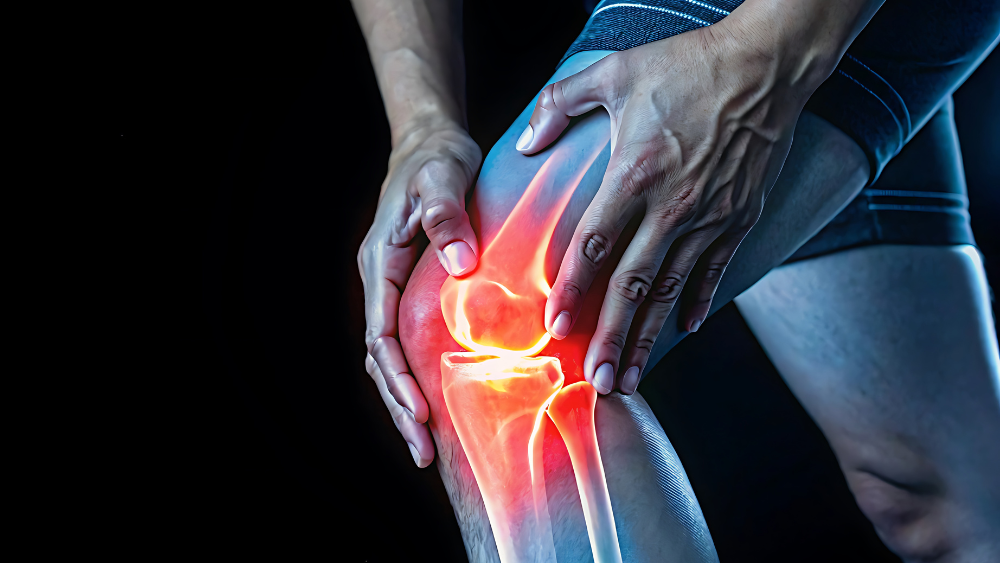
Joint pain can make simple tasks feel harder than they should be. Whether it shows up during workouts, long walks, or routine daily movement, it often becomes a barrier to staying active. Many people worry that lingering pain means surgery is the only path forward, but that is not always the case. Advances in modern care have brought a wide range of nonsurgical options that can reduce discomfort, improve mobility, and support long-term joint health.
Interventional Specialists of Florida works with patients who want clear answers and practical guidance. This blog breaks down today’s most effective nonsurgical treatments and offers a simple look at how they help people return to a more comfortable and active lifestyle.
Understanding Why Joints Hurt
Joint pain can come from several causes, and each situation is a bit different. Age, overuse, inflammation, injury, arthritis, and past strains all play a role. When a joint becomes irritated or weakened, it can limit movement and send pain signals that affect everyday activities.
Common sources of joint pain include:
- Osteoarthritis
- Tendon injuries
- Ligament strains
- Cartilage wear
- Previous trauma
- Repetitive motions at work or during sports
Finding the right treatment starts with identifying the cause. This helps clinicians tailor a plan that reduces pain while protecting long-term joint function.
Why Many Patients Look for Nonsurgical Options
Surgery is sometimes necessary, but many people prefer to delay or avoid it when possible. Nonsurgical treatments give patients a chance to see results with fewer risks and less downtime. These options also allow people to stay active while managing their symptoms.
Benefits of nonsurgical care often include:
- Faster recovery
- Lower risk of complications
- Little to no downtime
- Natural movement of the joint is preserved
- Reduced reliance on pain medication
With support from specialists who understand image-guided procedures and diagnostic imaging, many patients find relief without needing an operation.
Image-Guided Injections for Targeted Relief
One of the biggest improvements in modern joint care is the use of imaging to guide injections. This ensures that medication reaches the exact area causing pain. Image guidance is especially helpful for deep joints or small treatment areas.
Types of injections commonly used include:
Corticosteroid Injections
These injections calm inflammation inside the joint. They are often used for arthritis or flare-ups caused by overuse. Relief can last for weeks or months depending on the condition.
Hyaluronic Acid Injections
Hyaluronic acid adds lubrication to joints where natural cushioning has decreased. This option is popular for knee osteoarthritis and can help reduce stiffness and pain during movement.
Platelet-Rich Plasma (PRP) Therapy
PRP is created from a patient’s own blood. It contains concentrated platelets that support the body’s healing response. PRP is used for tendon injuries, mild arthritis, and lingering inflammation. Research continues to grow in this area, and many people experience improved mobility after treatment.
Minimally Invasive Procedures That Support Joint Function
Some conditions respond better to targeted procedures that address irritation or nerve pain around the joint. These approaches require only small entry points and little to no recovery time.
Nerve Blocks
A nerve block can help reduce pain by interrupting pain signals in a specific area. This is helpful for patients who experience persistent discomfort during movement.
Radiofrequency Ablation
This technique uses carefully controlled heat to disrupt the nerves that send pain signals. Relief can last several months, and it is often used for people with chronic spinal or joint pain. Patients searching for chronic facet joint pain treatment often benefit from this method when conservative care is no longer enough.
Image-Guided Joint Aspiration
Fluid can sometimes build up in a joint, causing pressure and discomfort. Removing the excess fluid under imaging guidance often brings fast relief and improves flexibility.
Strengthening and Movement-Based Therapies
Movement is one of the most effective tools for joint health. Physical therapy and functional exercises help restore strength, improve alignment, and protect joints during everyday activities.
A movement-based plan may include:
- Strength training for muscles that support the joint
- Flexibility exercises to reduce stiffness
- Balance routines to improve stability
- Joint-friendly aerobic options
- Posture and alignment training
When these strategies are combined with simple lifestyle changes, many people experience lasting improvements.
Lifestyle Changes That Support Long-Term Joint Health
A few daily habits can make a noticeable difference in how joints feel and move. These changes help reduce stress on painful areas and support better motion over time.
Helpful habits include:
- Choosing low-impact exercises such as cycling, swimming, or walking
- Maintaining a healthy weight to reduce joint strain
- Using proper footwear for balance and support
- Warming up before activity
- Taking regular breaks during repetitive tasks
- Using braces or supports when recommended
These small adjustments help protect joints while keeping you active.
When Advanced Nonsurgical Treatment May Be Needed
Some patients deal with pain that returns even after physical therapy and basic care. When this happens, advanced nonsurgical options can make a strong difference.
Interventional radiology offers a range of minimally invasive treatment choices that use imaging for precise results. Specialists in this field are trained to treat joint issues with small instruments, gentle techniques, and a focus on faster recovery.
Families often rely on expert teams such as vascular & interventional specialists or the experienced clinicians at Interventional Specialists of Florida for these advanced procedures. Their goal is to help patients recover movement and reduce pain with as little disruption as possible.
Understanding When Surgery Might Still Be Needed
While many people achieve relief without surgery, there are times when surgical care is the safer or more effective option. If a joint has severe degeneration or a major tear, surgery may help restore stability. A specialist will review your imaging tests and history before making a recommendation.
Even in these situations, nonsurgical treatments often help manage pain before surgery or support recovery afterward.
How Patients Can Stay Active While Managing Joint Pain
You do not need to stop moving while treating joint pain. In fact, safe activity often supports recovery and helps protect the joint over time.
Try these safe activity ideas:
- Gentle yoga
- Light stretching
- Water aerobics
- Short daily walks
- Stationary cycling
Listening to your body is important. If an activity increases pain or swelling, adjust your routine or seek guidance from your care team.
Working With Skilled Imaging and Interventional Experts
Accurate diagnosis is the foundation of effective treatment. Teams that specialize in medical imaging and interventional care help identify the source of pain and offer targeted solutions.
Many patients work with trusted groups such as radiology specialists of Florida, where advanced imaging and guided procedures support clear diagnosis and effective relief. Experts in these clinics use modern tools to deliver treatments that help patients stay active with fewer disruptions to daily life.
A Path Toward Easier, More Comfortable Movement
Living with joint pain can be frustrating, but it does not have to take away your ability to enjoy daily activities. With today’s nonsurgical options, many people regain comfort and movement without needing an operation. The key is choosing a care team that understands your goals and offers treatments designed to fit your lifestyle.
If you are dealing with joint discomfort and want a plan that supports movement, balance, and long-term comfort, Interventional Specialists of Florida is here to help. Their team offers modern imaging, targeted therapies, and patient-centered care to help you stay active with confidence.
Ready to explore safe and effective options for joint pain relief? Visit https://isfclinic.com/ to learn how Interventional Specialists of Florida can support your journey toward better movement and everyday comfort.