Blog Post
Beyond the Operating Room: How Interventional Radiology is Changing Patient Recovery
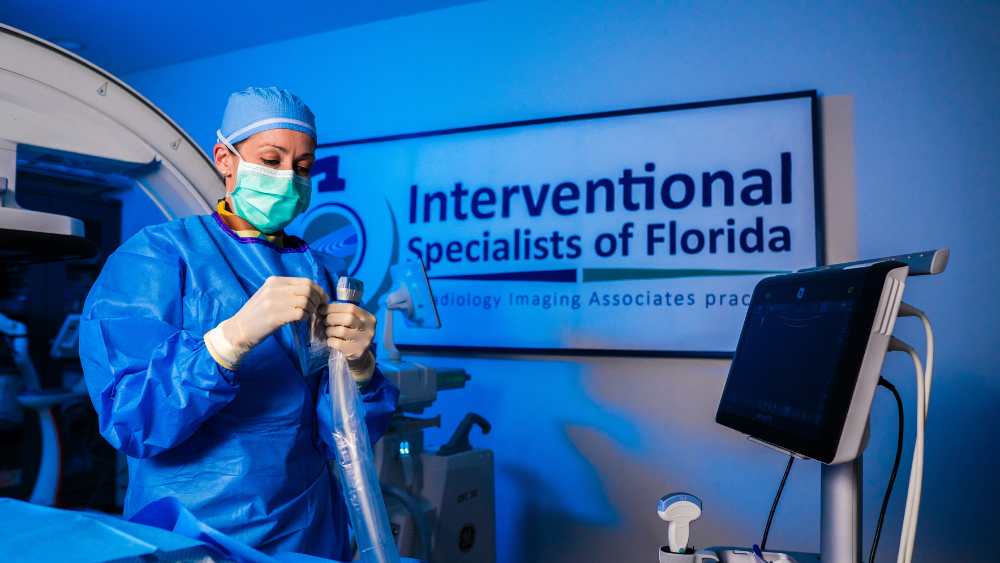
For decades, surgery was often seen as the only path to treating complex medical conditions. Large incisions, extended hospital stays, and long recovery periods were considered part of the process. Today, that expectation is shifting. Interventional radiology is redefining how many conditions are treated, moving care beyond the traditional operating room and into a more patient-friendly space.
This field combines advanced imaging with targeted techniques that treat problems from the inside of the body. The result is faster recovery, less pain, and fewer disruptions to everyday life. For many patients, it also means answers and options they did not realize were available.
What Is Interventional Radiology?
Interventional radiology, often called IR, is a medical specialty that uses imaging guidance to perform precise procedures through tiny access points in the body. Instead of large surgical openings, interventional radiologists rely on tools such as catheters, wires, and needles that are guided using X-ray, ultrasound, CT scans, or MRI.
These procedures are performed by highly trained physicians who understand both imaging and treatment. Their focus is not only on addressing the condition but also on reducing the physical toll that treatment can take on the patient.
IR is now used across many areas of medicine, including vascular care, oncology, pain management, and women’s and men’s health.
Why Recovery Matters More Than Ever
Modern patients expect more from their healthcare experience. Recovery is no longer an afterthought. It is a key part of treatment decisions. Time away from work, family responsibilities, and daily routines can have a real impact on quality of life.
Traditional surgery often involves:
- General anesthesia
- Significant post-procedure pain
- Hospital stays lasting days or longer
- Weeks or months of recovery
Interventional radiology changes this model. By reducing trauma to the body, many IR procedures allow patients to return home the same day and resume normal activities much sooner.
The Power of Minimally Invasive Care
At the heart of interventional radiology is the idea of treating the problem while preserving healthy tissue. This is why it is widely recognized as a minimally invasive treatment option.
Instead of cutting through layers of muscle and tissue, interventional radiologists access the body through small openings, often no larger than a pinhole. Imaging technology allows them to navigate directly to the source of the issue with remarkable accuracy.
Key advantages include:
- Smaller incisions or no incisions at all
- Reduced bleeding and infection risk
- Less pain after the procedure
- Shorter hospital stays
- Faster return to daily activities
For many patients, these benefits make a meaningful difference in both physical and emotional recovery.
Conditions Commonly Treated Without Surgery
Interventional radiology covers a wide range of conditions that once required open surgery or long-term medical management. As technology advances, that list continues to grow.
Some commonly treated conditions include:
- Varicose veins and venous disease
- Pelvic congestion syndrome
- Benign prostatic hyperplasia
- Certain types of tumors and cancers
- Chronic joint or spine pain
- Uterine fibroids
- Blocked or narrowed blood vessels
In many cases, IR procedures are offered after other treatments have failed. For some patients, they are now becoming the first recommended option.
A Different Experience for Patients
One of the most noticeable differences with interventional radiology is the overall patient experience. Procedures are often performed in specialized suites rather than traditional operating rooms. Sedation is usually lighter, and patients remain comfortable while avoiding the effects of full anesthesia.
Patients often describe:
- Feeling more informed and involved in decisions
- Less anxiety before and after treatment
- Quicker physical recovery
- Greater confidence returning to normal routines
This approach aligns well with patients who value clear communication and practical solutions.
How Imaging Guides Better Outcomes
Imaging is not just a diagnostic tool in interventional radiology. It is part of the treatment itself. Real-time imaging allows physicians to see exactly where instruments are placed and how the body responds during the procedure.
This level of visibility helps:
- Reduce damage to surrounding tissue
- Improve precision and accuracy
- Confirm successful treatment immediately
- Adjust technique if needed during the procedure
By treating the source of the problem directly, interventional radiology often leads to better symptom relief and fewer repeat procedures.
Faster Recovery, Fewer Complications
Recovery after an interventional radiology procedure is usually straightforward. Most patients go home the same day and manage mild soreness with over-the-counter medication. Serious complications are less common compared to open surgery, especially when procedures are performed by experienced specialists.
Typical recovery benefits include:
- Minimal post-procedure pain
- Low risk of infection
- Little to no scarring
- Reduced need for strong pain medications
For older adults or patients with other medical conditions, these advantages can be especially important.
Collaboration Across Medical Specialties
Interventional radiology does not replace other forms of care. Instead, it works alongside them. Interventional radiologists often collaborate with primary care providers, surgeons, oncologists, and other specialists to create well-rounded treatment plans.
This team-based approach ensures:
- Accurate diagnosis
- Appropriate use of IR procedures
- Continuity of care before and after treatment
Patients benefit from having more options and a clearer understanding of what approach best fits their needs.
The Growing Role of IR in Florida Healthcare
As awareness increases, more patients are seeking out radiologists in Florida who specialize in interventional care. Practices focused on image-guided treatments are helping shift how conditions are managed across the state.
At Interventional Specialists of Florida, the emphasis is on thoughtful evaluation and patient education. Every procedure is recommended based on clinical evidence, individual health factors, and personal goals. This approach reflects the broader mission of skilled vascular interventional specialists who aim to improve outcomes while respecting the patient’s time and comfort.
Looking Ahead: The Future of Recovery
Interventional radiology continues to evolve. New devices, improved imaging, and refined techniques are expanding what can be treated without surgery. As a result, recovery times are getting shorter, and patient satisfaction is rising.
For many people, this means fewer hospital visits, lower healthcare costs, and a faster return to normal life. It also means having access to treatments that feel less intimidating and more manageable.
Choosing a Smarter Path to Healing
Healthcare does not have to revolve around the operating room. Interventional radiology offers a proven, patient-centered alternative that prioritizes recovery as much as results. By focusing on precision and preservation, this specialty is reshaping how people heal.
If you are exploring treatment options and want to understand whether interventional radiology could help, the team at Interventional Specialists of Florida is here to guide you. Learn more about modern, image-guided care and what it could mean for your recovery by visiting https://isfclinic.com/. A thoughtful approach today can make the journey to better health smoother and more manageable.