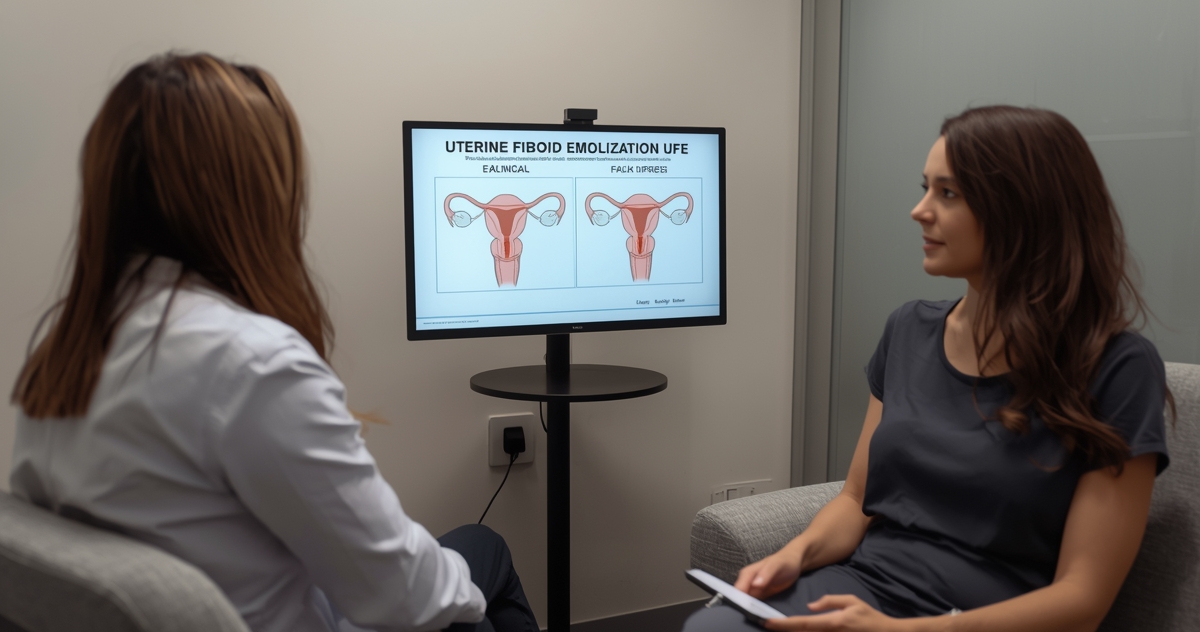
Uterine fibroids are far more common than many people realize. These noncancerous growths can develop in or around the uterus and affect women at different stages of life. While some fibroids cause no symptoms at all, others can disrupt daily routines and take a real toll on physical and emotional well-being.
If you have been diagnosed with fibroids, you may already be weighing your treatment choices. Surgery is often presented as the default option, but it is not the only path forward. Today, patients have access to advanced, minimally invasive treatment options that can effectively manage symptoms without removing the uterus.
This guide walks through what uterine fibroids are, how they are treated, and how uterine fibroid embolization, commonly known as UFE, compares to surgical approaches. The goal is to help you make an informed, confident decision based on facts, not fear.
Understanding Uterine Fibroids
Fibroids are made of muscle and connective tissue and can vary widely in size. Some are as small as a seed, while others can grow large enough to change the shape of the uterus. Their exact cause is not fully understood, but hormones like estrogen and progesterone play a role in their growth.
Fibroids are often categorized by where they develop:
- Intramural fibroids grow within the uterine wall
- Submucosal fibroids develop just beneath the uterine lining
- Subserosal fibroids form on the outer surface of the uterus
Each type can cause different symptoms depending on size and location.
Common Symptoms That Affect Quality of Life
Not everyone with fibroids experiences symptoms, but when they do occur, they can be difficult to ignore. Many patients seek care because symptoms begin to interfere with work, relationships, or daily comfort.
Common symptoms include:
- Heavy or prolonged menstrual bleeding
- Pelvic pressure or fullness
- Frequent urination
- Lower back or leg pain
- Pain during intercourse
In some cases, fibroids may also contribute to anemia due to excessive blood loss. Addressing symptoms early can prevent further complications and improve overall well-being.
Traditional Surgical Options for Fibroids
Surgery has long been the standard approach for treating symptomatic fibroids. The most common procedures include myomectomy and hysterectomy.
Myomectomy
A myomectomy removes fibroids while preserving the uterus. It may be performed through open surgery, laparoscopy, or hysteroscopy, depending on fibroid size and location.
Potential considerations include:
- Longer recovery compared to minimally invasive options
- Risk of fibroid recurrence over time
- Surgical risks such as bleeding or infection
Hysterectomy
A hysterectomy removes the uterus entirely and permanently resolves fibroid symptoms. While it can be effective, it is major surgery and not the right choice for everyone.
Points to consider:
- Permanent loss of fertility
- Extended recovery period
- Physical and emotional impact of uterine removal
For patients who wish to avoid surgery or keep their uterus, alternative options may be more appealing.
What Is Uterine Fibroid Embolization?
Uterine fibroid embolization is a non-surgical procedure that treats fibroids by blocking their blood supply. Without blood flow, fibroids gradually shrink and symptoms improve.
UFE is performed by physicians trained in image guided techniques, often among experienced radiologists in Florida who specialize in vascular and interventional care.
The procedure typically involves:
- A small catheter inserted through the wrist or groin
- Real-time imaging to guide treatment
- Delivery of tiny particles that block blood flow to fibroids
The uterus itself continues to receive blood from other vessels, allowing it to remain healthy.
How UFE Compares to Surgery
When deciding between UFE and surgery, understanding the differences can make the choice clearer.
Recovery and Downtime
UFE is usually performed as an outpatient or short stay procedure. Most patients return to normal activities within one to two weeks.
Surgery often requires:
- Hospital stays
- Several weeks of limited activity
- More post-procedure discomfort
Uterus Preservation
UFE treats fibroids while leaving the uterus intact. This can be important for patients who want to maintain their sense of bodily integrity or keep future options open.
Hysterectomy removes the uterus entirely, which may not align with every patient’s personal or health goals.
Effectiveness
Studies show that UFE provides significant symptom relief for most patients, with improvement in bleeding, pain, and pressure. Fibroids shrink gradually over several months, offering long-term relief for many.
Surgery can also be effective, but it comes with higher physical demands and longer recovery.
Who Is a Good Candidate for UFE?
UFE may be a good option for patients who:
- Have symptomatic fibroids
- Want to avoid major surgery
- Prefer a uterus-sparing approach
- Are not planning future pregnancy or have discussed fertility considerations with their provider
A thorough evaluation, including imaging and medical history, is essential to determine suitability. Every patient’s situation is unique, and treatment should be tailored accordingly.
Addressing Concerns About Fertility
Fertility is an important topic for many patients considering fibroid treatment. While UFE is not primarily designed as a fertility treatment, some women have gone on to conceive after the procedure.
It is important to have an open discussion with your care team about future plans. In certain cases, surgical options may be recommended instead. Honest, individualized guidance helps ensure expectations are realistic and aligned with personal goals.
The Role of Interventional Specialists
UFE is performed by physicians with specialized training in image guided, minimally invasive care. Practices like Interventional Specialists of Florida focus on these techniques, offering patients access to advanced options without traditional surgery.
Interventional care often overlaps with treatments for other vascular conditions, including pelvic vein disorders. For example, approaches used in UFE share similarities with pelvic congestion syndrome treatments, highlighting the versatility of image guided techniques in women’s health.
Making an Informed Decision
Choosing between UFE and surgery is not about finding a single right answer. It is about understanding your body, your symptoms, and your priorities. Education plays a key role in feeling confident about the path you choose.
Consider asking questions such as:
- What are my short and long-term goals?
- How important is recovery time?
- Do I want to preserve my uterus?
- What risks and benefits matter most to me?
A thoughtful conversation with a qualified specialist can provide clarity and reassurance.
Taking the Next Step With Confidence
Living with uterine fibroids does not mean living with constant discomfort or uncertainty. Advances in medical care have expanded options, giving patients more control than ever before.
If you are exploring alternatives to surgery or want to better understand whether UFE is right for you, expert guidance can make all the difference. The team at Interventional Specialists of Florida offers patient-focused evaluations and minimally invasive solutions designed to support long-term health and comfort.
To learn more about your options or schedule a consultation, visit https://isfclinic.com/ and take the next step toward informed, empowered care.