Blog Post
Varicose Veins Demystified: Why Minimally Invasive Treatment is the Gold Standard
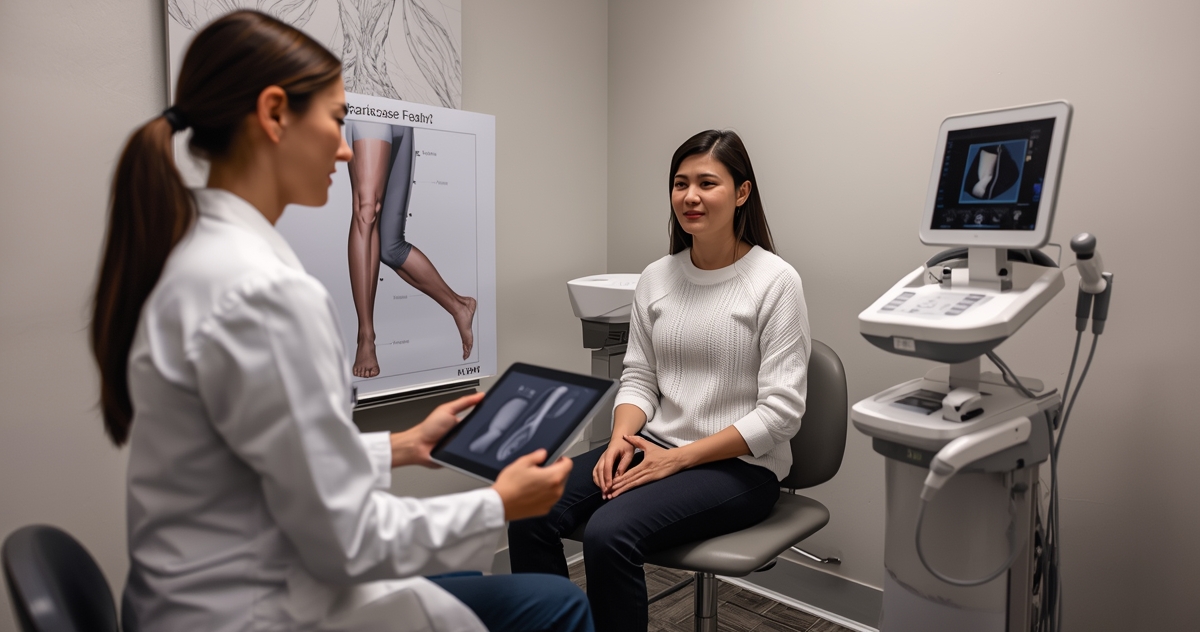
Varicose veins are often dismissed as a cosmetic issue, but for many people they are a sign of an underlying circulation problem that deserves attention. These enlarged, twisted veins most often appear in the legs and can cause aching, heaviness, swelling, and fatigue that worsen throughout the day. In some cases, they can lead to skin changes or ulcers if left untreated.
The good news is that treatment has changed dramatically over the past few decades. Today, patients no longer have to face long hospital stays or painful surgery. Modern options focus on comfort, precision, and faster recovery. This shift is why minimally invasive treatment has become the gold standard for managing varicose veins.
Understanding how varicose veins develop and why newer approaches work so well can help you make confident decisions about your care.
What Are Varicose Veins and Why Do They Form?
Veins in the legs work against gravity to return blood to the heart. To do this efficiently, they rely on one way valves that open and close with each heartbeat and muscle movement. When these valves weaken or fail, blood can pool in the vein, causing it to stretch and twist. Over time, this pressure leads to visible varicose veins.
Several factors increase the risk of developing them:
- Family history of vein disease
- Long periods of standing or sitting
- Pregnancy, which increases blood volume and pressure
- Aging, as vein walls and valves naturally lose strength
- Excess weight, which adds strain to leg veins
Varicose veins are not just a surface issue. They often signal chronic venous insufficiency, a condition where blood flow in the legs is inefficient. Treating the root cause is essential for lasting relief.
Common Symptoms That Should Not Be Ignored
While some people notice only visible veins, others experience symptoms that interfere with daily life. Paying attention to these signs can help prevent progression.
Common symptoms include:
- Aching or throbbing in the legs
- A heavy or tired feeling, especially after standing
- Swelling in the ankles or calves
- Itching or burning around affected veins
- Skin discoloration or thickening near the ankles
If symptoms worsen over time or begin to affect mobility, evaluation by a qualified provider is important. Early treatment often leads to better outcomes.
How Varicose Veins Were Treated in the Past
Traditional treatment for varicose veins often involved surgical vein stripping. This procedure required general anesthesia, multiple incisions, and weeks of recovery. While it could be effective, it also came with higher risks of pain, scarring, and complications.
Because of these drawbacks, many people delayed care until symptoms became severe. Advances in imaging and catheter based techniques have changed that landscape entirely.
The Rise of Minimally Invasive Care
Modern vein care focuses on closing or redirecting faulty veins while preserving healthy circulation. These procedures are typically performed in an outpatient setting, often in less than an hour.
Key advantages of minimally invasive approaches include:
- No large incisions
- Local anesthesia instead of general anesthesia
- Minimal discomfort during and after the procedure
- Faster return to normal activities
- Excellent cosmetic results
These benefits have made minimally invasive options the preferred choice for both patients and providers.
Varicose Veins Laser Treatment Explained
One of the most widely used options today is varicose veins laser treatment. Also known as endovenous laser therapy, this technique uses focused laser energy to close the diseased vein from the inside.
Here is how the process typically works:
- Ultrasound imaging is used to map the affected vein
- A small catheter is inserted through a tiny opening in the skin
- Laser energy is delivered along the length of the vein
- The vein seals shut and is gradually absorbed by the body
Once the faulty vein is closed, blood naturally reroutes to healthier veins. Patients often notice symptom improvement within days, with continued benefits over time.
Laser therapy is well studied and has a high success rate when performed by experienced specialists.
Other Minimally Invasive Options
Laser therapy is not the only tool available. Depending on vein size, location, and patient needs, other treatments may be recommended.
These include:
- Radiofrequency ablation, which uses heat generated by radio waves
- Sclerotherapy, where a solution is injected to collapse smaller veins
- Foam based treatments for complex vein patterns
A personalized approach ensures that each patient receives the most appropriate care rather than a one size fits all solution.
What to Expect During Recovery
Recovery after minimally invasive vein treatment is usually straightforward. Most patients walk immediately after the procedure and return to daily routines within a day or two.
Typical post treatment guidance may include:
- Wearing compression stockings for a short period
- Walking regularly to promote circulation
- Avoiding heavy lifting for a brief time
- Attending follow up visits to monitor progress
Compared to older surgical methods, downtime is significantly reduced, making treatment more accessible for busy lifestyles.
The Importance of Expert Evaluation
Successful vein care begins with accurate diagnosis. Advanced ultrasound imaging allows providers to see how blood is flowing and identify which veins are causing symptoms.
Choosing a practice with specialized training in image guided procedures is essential. Patients seeking a trusted vein specialist Daytona Beach and surrounding areas often benefit from teams that focus exclusively on minimally invasive vascular care.
Expertise ensures not only effective treatment but also long term management to reduce the risk of recurrence.
Why Minimally Invasive Treatment Is the Gold Standard
The shift toward minimally invasive vein care is backed by strong clinical evidence. Studies consistently show high success rates, low complication risks, and improved quality of life for patients.
Key reasons these treatments are now considered the standard include:
- Proven effectiveness in closing diseased veins
- Reduced pain and anxiety for patients
- Lower risk compared to surgery
- Quick recovery with lasting symptom relief
By addressing both appearance and comfort, minimally invasive care meets the full spectrum of patient needs.
Taking the Next Step Toward Healthier Legs
Living with varicose veins does not have to be your normal. Advances in medical technology have made treatment safer, simpler, and more effective than ever before. With the right evaluation and care plan, many people experience relief from discomfort and renewed confidence in their daily activities.
If you are experiencing symptoms or have concerns about vein health, a consultation can provide clarity and direction. The team at Interventional Specialists of Florida offers image guided, minimally invasive options designed around patient comfort and proven outcomes.
Schedule a consultation today to learn more about your options and take the first step toward healthier legs by visiting https://isfclinic.com/.