When you or someone you care for needs long-term medication, regular blood draws, or ongoing therapies, a port or a PICC line can make treatment smoother and less stressful. These devices help avoid repeated needle sticks and give clinicians safe access to a central vein. Many people hear about these options for the first time during a stressful moment, so having clear information can make it easier to feel confident and prepared.
This guide walks through what ports and PICC lines are, how they work, what to expect during placement, and how to care for them at home. It is designed for patients, caregivers, and anyone who wants to understand these tools without sorting through complicated medical language. The team at Interventional Specialists of Florida works with many patients who rely on these devices, and the goal here is to offer balanced, helpful, and easy-to-follow information.
What Is a PICC Line?
A PICC line, short for peripherally inserted central catheter, is a thin, flexible tube placed into a vein in the upper arm. It travels through the vein until the tip rests near a large central vein close to the heart. This allows medication to flow into the bloodstream safely and efficiently.
PICC lines are often used for:
- Long-term antibiotics
- Chemotherapy
- Nutritional support
- Frequent blood draws
- Hydration infusions
Patients often prefer a PICC because it avoids repeated needle sticks and can stay in place for weeks or months, depending on their care plan.
What to Expect During PICC Line Placement
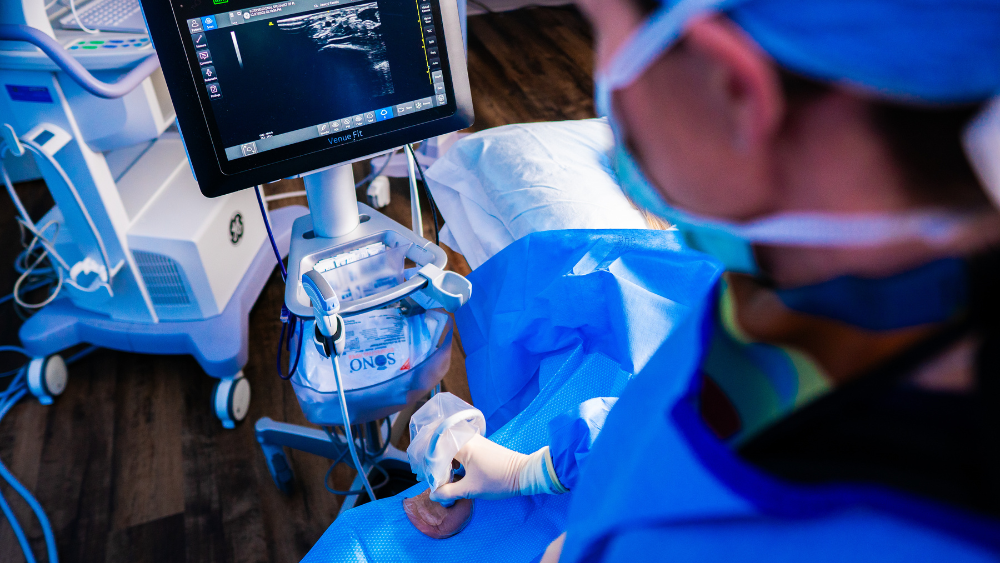
PICC lines are placed by trained clinicians, often interventional radiology teams, using imaging guidance to ensure safe and proper placement of a PICC line. The procedure is done with local numbing, so patients remain awake and comfortable.
Here is how the process usually works:
- The skin is cleaned to lower the risk of infection.
- A small amount of numbing medicine is applied.
- The PICC line is gently inserted into the vein.
- Imaging guidance confirms the proper PICC line placement before securing the site with a dressing.
Most people can return to normal daily activities soon after placement, as long as they follow care instructions.
Caring for a PICC Line at Home
Care at home is important to keep the PICC working well and reduce the risk of complications. Many caregivers learn this routine quickly with the help of a nurse.
Basic care includes:
- Keeping the dressing clean and dry
- Flushing the line as instructed
- Watching for redness, swelling, or pain
- Avoiding activities that pull or bend the arm excessively
If anything seems unusual, it is important to contact your care team right away.
What Is a Port?
A port, often called an Infusaport, is a small device placed under the skin, usually on the chest. A thin catheter connects the port to a central vein. Once it heals, the port is accessed with a special needle through the skin when treatment is needed.
Ports are helpful for people who need long-term or frequent therapy. Chemotherapy patients and individuals needing extended infusion treatments often rely on ports because they stay in place for months or years.
How Port Placement Works
Port placement is a minor outpatient procedure performed by specialists who use imaging guidance for accuracy. Many clinics, including Interventional Specialists of Florida, perform IR port placement with a focus on safety and patient comfort.
During the procedure:
- The skin is cleaned and numbed.
- A small incision is made to create a pocket for the port.
- The catheter is guided into a central vein.
- The device is secured under the skin and the incision is stitched closed.
Once healed, the raised bump of the port can be felt but not seen easily. Patients can shower normally and take part in most activities, with a few precautions.
Benefits of a Port
A port is often chosen over a PICC line when treatment will continue for many months. It sits under the skin, so there is less risk of infection, and it does not require the same level of daily care. Ports also allow patients more freedom with movement and personal activities.
Many people prefer a port because:
- It reduces daily maintenance
- It stays secure and protected under the skin
- It can handle stronger medications
- It allows swimming and bathing after healing, with provider approval
Ports are also durable, making them a good choice for long treatment cycles.
PICC Line vs Port: Which Is Better?
Choosing between a PICC line vs port placement depends on several factors. Your medical team considers your diagnosis, treatment length, lifestyle, and daily responsibilities.
PICC lines may be better for:
- Short to medium-term therapy
- Patients who prefer to avoid a small surgical procedure
- Those who want easy access without inserting a needle each time
Ports may be better for:
- Long-term treatment lasting many months
- Patients who prefer fewer daily care steps
- People needing infusions that are hard on peripheral veins
There is no universal answer. The best choice is the one that supports your health goals and fits your daily life.
What Patients and Caregivers Should Watch For
Whether you have a port or a PICC line, monitoring for changes is part of safe care. Complications are uncommon but can happen. Calling your care team quickly is important if anything unexpected occurs.
Watch for:
- Redness or warmth at the site
- Drainage or unusual swelling
- Fever or chills
- Pain that continues or increases
- Difficulty flushing the line
Early attention helps prevent more serious issues.
Tips for Living Comfortably with a PICC Line or Port
Daily life can continue normally with either device. Some simple adjustments help keep you comfortable and safe.
Try these helpful habits:
- Wear loose, soft clothing that does not rub against the site
- Avoid heavy lifting with the PICC arm
- Keep travel supplies, such as alcohol wipes and dressing materials, on hand
- Let fitness instructors or physical therapists know about your device
- Use a waterproof cover if your clinician recommends it
Many patients say that after a short adjustment period, these devices become a normal part of their routine.
The Role of Interventional Radiology
Ports and PICC lines are placed by skilled specialists who use imaging guidance to ensure accuracy and reduce risks. Many patients in Florida work with experienced teams such as radiologists in Florida who focus on vascular access and image-guided procedures. Their expertise helps support safe placement and smooth treatment.
Interventional radiology has become a trusted part of patient care because it offers a minimally invasive treatment approach that aims to reduce discomfort, lower infection risks, and support faster recovery compared to traditional surgery.
How Caregivers Can Help
Caregivers play a big role in helping someone feel confident with a PICC line or port. Even small actions make a difference.
Caregivers can support by:
- Helping with dressing changes if needed
- Keeping track of medicines or infusion schedules
- Watching for early signs of irritation
- Encouraging comfortable clothing and safe movement
- Offering reminders during follow-up appointments
These steady, supportive steps make treatment easier for everyone involved.
When It Might Be Time to Ask Questions
You do not need to wait for a problem to bring up concerns. It is always helpful to ask questions if anything feels unclear.
Good topics to bring to your care team include:
- How long the device will need to stay in place
- Whether a port or PICC is the better choice for your condition
- How to clean and flush the line correctly
- Which activities to avoid
- When it is safe to resume travel, exercise, or work
Clear guidance helps reduce stress and supports better results.
Feeling Confident with Your Device
Learning about these devices can ease worries and help you stay involved in your care. Ports and PICC lines are common, safe, and effective tools that help patients receive the treatments they need with greater comfort. When you understand how they work, what to expect, and how to care for them, the process becomes much easier to manage.
If you or a loved one is preparing for treatment that may require one of these devices, taking a few minutes to learn the basics can make your experience smoother. The right information helps you feel in control and prepared for each step.
For trustworthy support from a skilled team that focuses on patient comfort and safe image-guided care, visit Interventional Specialists of Florida. They work with many individuals across the region who rely on ports and PICC lines during therapy and aim to make each visit as easy as possible.
Looking for reliable care from experienced vascular and image-guided professionals? Visit our website to learn how Interventional Specialists of Florida can help you move forward with confidence.