Blog Post
From Biopsies to Cancer Care: How Image-Guided Treatments Improve Accuracy and Outcomes
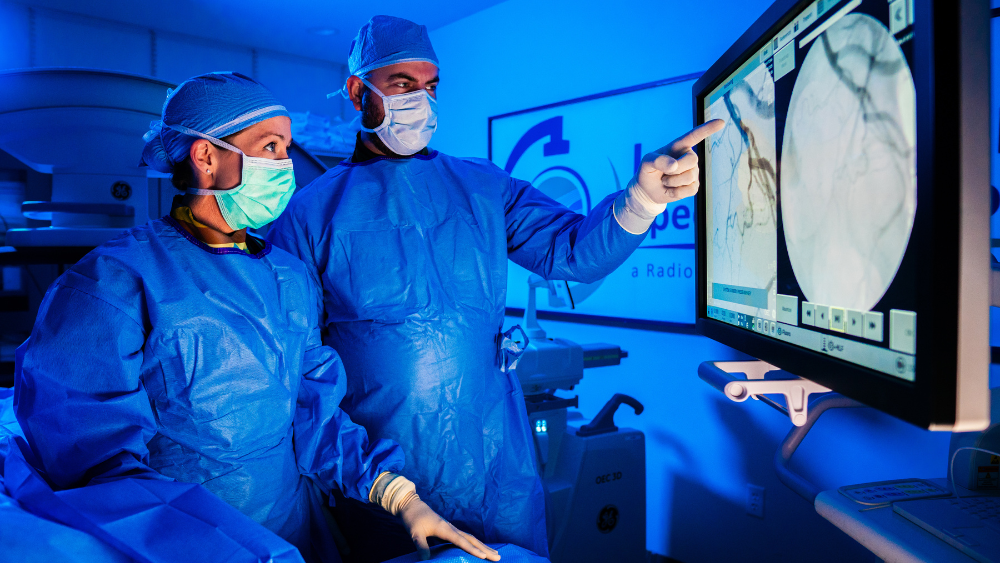
In modern medicine, precision is everything. Whether diagnosing a condition or treating it, accuracy can mean faster recovery, fewer side effects, and better results. One of the biggest advancements driving this precision is image-guided treatment. By combining advanced imaging with minimally invasive procedures, specialists can see exactly where to go and what to treat—without the need for large incisions or lengthy hospital stays.
At Interventional Specialists of Florida, radiologists and vascular experts use this approach daily to diagnose and treat a wide range of conditions, from cancer to spinal injuries. Here’s a closer look at how image-guided care is changing outcomes for patients across Florida.
What Is Image-Guided Treatment?
Image-guided treatment uses real-time imaging such as ultrasound, CT scans, or fluoroscopy to guide a physician’s instruments during a procedure. This allows for precise targeting of tissues, tumors, or blood vessels while avoiding unnecessary damage to surrounding areas.
These treatments are often part of what’s known as interventional radiology—a field that blends diagnostic imaging with therapeutic procedures. Instead of open surgery, doctors make a tiny incision, insert a catheter or needle, and use imaging to guide their work inside the body.
The result is a faster, less painful, and more accurate procedure with a shorter recovery time.
From Biopsies to Cancer Care
One of the most common uses of image-guided procedures is in biopsies. When imaging shows a suspicious area, interventional radiologists can use ultrasound or CT guidance to take a precise tissue sample. This approach is safer and far less invasive than traditional surgical biopsies.
Beyond diagnosis, imaging also guides advanced cancer treatments. For example, patients seeking the best treatment for liver cancer or those managing metastatic liver cancer can benefit from minimally invasive approaches such as:
- Ablation therapy: Destroys tumors using heat, cold, or chemical agents directly at the site.
- Embolization procedures: Cuts off blood supply to tumors to stop growth and improve response to other therapies.
- Targeted drug delivery: Delivers medication directly into the tumor through a catheter for stronger local effects and fewer side effects.
These methods allow patients to resume normal activities faster and often work alongside chemotherapy or radiation for improved outcomes.
Improving Outcomes in Spinal and Joint Conditions
Image guidance has also transformed how physicians manage pain and injuries in the spine and joints. Procedures such as spinal fracture treatment and treatment for spinal compression fractures rely on precise visualization to stabilize fractures with minimal disruption to healthy tissue.
For example, patients undergoing fractured spine recovery in Daytona Beach, FL, can often go home the same day and experience immediate pain relief after vertebroplasty or kyphoplasty. Similarly, image-guided joint injections are used in chronic facet joint pain treatment to target the exact source of discomfort, providing longer-lasting relief and avoiding unnecessary exposure to medications.
For anyone searching online for “joint pain treatment near me,” image-guided care offers a safe and effective option that helps restore mobility without the downtime of surgery.
Targeting Vascular and Vein Conditions
Another area where these techniques shine is in vascular care. Radiology specialists in Florida frequently use imaging to treat conditions involving veins and blood flow.
Procedures like varicose veins laser therapy and spider vein treatment in Long Beach are performed under ultrasound guidance to ensure accuracy and optimal cosmetic results. Likewise, varicocele embolization treatment and pelvic congestion syndrome treatments help restore proper blood flow and relieve pain, often in less than an hour.
Patients dealing with hemorrhoids can also benefit from a newer image-guided approach called the hemorrhoid embolization procedure. This technique, performed by interventional radiologists, treats hemorrhoids by blocking the arteries that feed them. It’s proving to be one of the best hemorrhoid treatments for swelling and bleeding without surgery or downtime.
Streamlining Care for Medical Devices and Access Lines
Accurate imaging plays a vital role in placing medical devices that are essential for ongoing treatments. Whether it’s proper PICC line placement, IR port placement, or Infusaport placement, imaging ensures devices are positioned correctly to avoid complications and support long-term therapy.
Understanding the difference between PICC line vs. port placement helps patients choose what’s right for their situation. PICC lines are ideal for shorter-term infusions, while ports are better for long-term treatments such as chemotherapy. In both cases, real-time imaging guarantees precise positioning and minimizes risks.
The Role of Interventional Radiology in Modern Healthcare
Image-guided treatment is more than just a technical advancement—it’s a complete shift in how medicine approaches care. By combining imaging and minimally invasive tools, radiologists can treat complex conditions that once required major surgery.
Some of the advantages include:
- Smaller incisions: Less tissue trauma and faster recovery.
- Reduced hospital stays: Many procedures are done on an outpatient basis.
- Lower risk: Fewer complications compared to open surgery.
- Greater precision: Targeted treatments with real-time visualization.
At Interventional Specialists of Florida, patients receive care from experienced vascular and interventional radiologists who specialize in these techniques. Whether it’s vein care, spinal repair, or cancer treatment, each procedure is guided by advanced imaging for optimal safety and effectiveness.
A Look Toward the Future
As imaging technology continues to advance, so does the potential for more accurate and less invasive treatments. Artificial intelligence is already helping doctors interpret scans more precisely, and new contrast agents are making it easier to detect disease earlier.
This progress means patients will continue to benefit from faster diagnoses, more effective therapies, and a smoother path to recovery.
If you’re looking for expert care guided by precision and compassion, the team at Interventional Specialists of Florida is ready to help. From diagnosing complex conditions to delivering the most effective minimally invasive treatment options, their specialists are leading the way in patient-centered care.
Visit https://isfclinic.com/ to learn more or schedule an appointment with the region’s trusted vascular and interventional radiology experts.